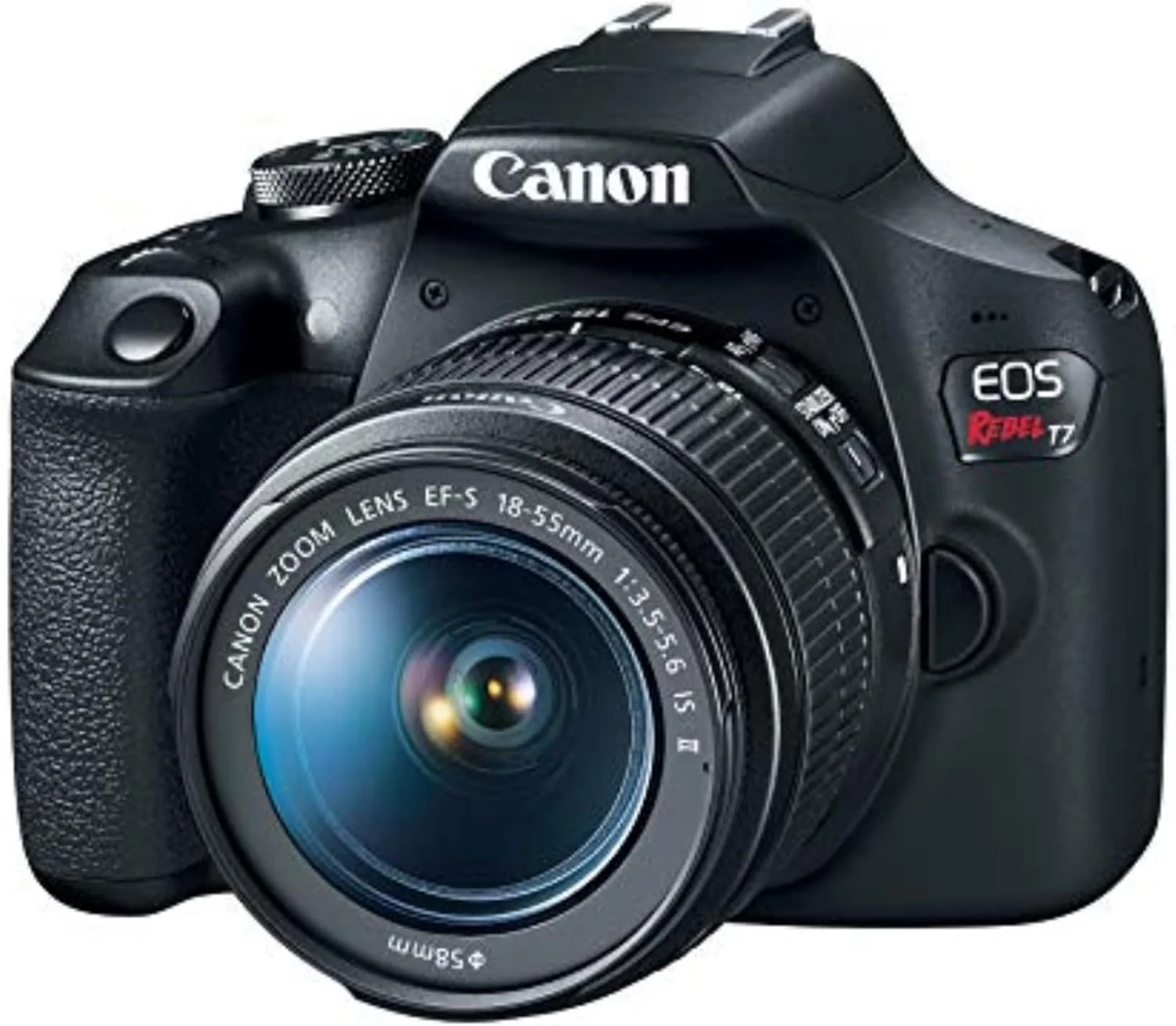
Canon EOS Rebel T7 With 18-55mm Lens Review: Wi-Fi & 24MP Sensor
Exploring an SLR camera bundle is the most effective way for beginners to start their photography journey with all the essential equipment included. This article details the core components of a starter kit, from the camera body and versatile lenses to crucial accessories, explaining how each piece helps you capture high-quality images in various conditions.
About This Topic
This section provides a detailed overview of the key features and capabilities of a specific class of digital SLR camera, exemplified by models like the Canon EOS Rebel series. The discussion centers on how these specifications translate into real-world performance for photographers and content creators. We clarify the ideal user for this technology, address frequent questions about its value, and explain how its components work together to create a versatile creative tool.
Who This Camera is For
This camera is an excellent fit for:
- Photography Beginners: Individuals moving from smartphone or point-and-shoot photography to their first interchangeable-lens camera, seeking to learn core principles like composition, exposure, and lens selection.
- Aspiring Content Creators: Vloggers, hobbyists, and social media enthusiasts who need higher quality imagery and video than a phone can provide, along with the flexibility for growth.
- Streamers and Remote Professionals: Those looking to significantly upgrade their video call or live streaming setup by using a dedicated camera as a high-quality webcam.
- Photographers seeking a capable secondary or travel camera that balances performance with a relatively compact form factor.
Understanding the Key Specifications
The listed specifications form the foundation of this camera’s performance:
- 24.1MP APS-C CMOS sensor: Delivers high-resolution images with good detail, allowing for cropping and large prints. The APS-C size provides a balance of image quality and camera body size, ideal for entry-level and mid-range DSLRs.
- ISO 100-6400 (Expandable to 12800): Offers flexibility to shoot in various lighting conditions. Lower ISO settings (like 100) are for bright daylight, while higher settings help freeze action in lower light, though with increased potential for digital noise.
- 9-Point AF System with AI Servo AF: Provides reliable autofocus for still subjects and can track moving subjects, making it suitable for active photography like capturing kids, pets, or casual sports.
- Optical Viewfinder with ~95% Coverage: Offers a direct, lag-free view through the lens, which many photographers prefer for composition. The 95% coverage means you see slightly less than what the final image will capture.
- Built-in Wi-Fi and NFC: Enables easy wireless transfer of photos and videos to your smart device for quick sharing and remote camera control via a smartphone app.
- EF/EF-S Lens Compatibility: Grants access to Canon’s vast and affordable ecosystem of lenses, from versatile kit zooms to specialized telephoto and prime lenses, allowing you to expand your creative possibilities as your skills grow.
- Webcam Software Compatibility: A highly practical feature, allowing you to use the camera’s superior lens and sensor for professional-looking video calls, streaming, or recording presentations.
Addressing Common Questions & Misconceptions
- “Is 24MP enough?” Absolutely. 24 megapixels is more than sufficient for stunning large prints and offers ample resolution for any online use or typical cropping.
- “Is the 9-point autofocus system outdated?” While advanced cameras feature more points, a well-implemented 9-point system is very capable for general photography, portraiture, and learning. It provides a clear advantage over the focus systems found in simpler cameras.
- “What does ‘APS-C’ mean for my photos?” Compared to a smartphone or compact camera, the larger APS-C sensor provides significantly better image quality, especially in low light, and allows for more background blur (shallow depth of field).
- “Can I really use this as a webcam?” Yes, using the free EOS Utility Webcam Software. This transforms the camera into a superior webcam, leveraging its lens for a flattering focal length and its large sensor for a clean, professional image that outperforms even expensive dedicated webcams.
- “Is the optical viewfinder necessary?” For many, it is a preferred and fundamental part of the DSLR experience. It uses no battery power for the display, shows the scene in real-time without lag, and can help with stability and focus.