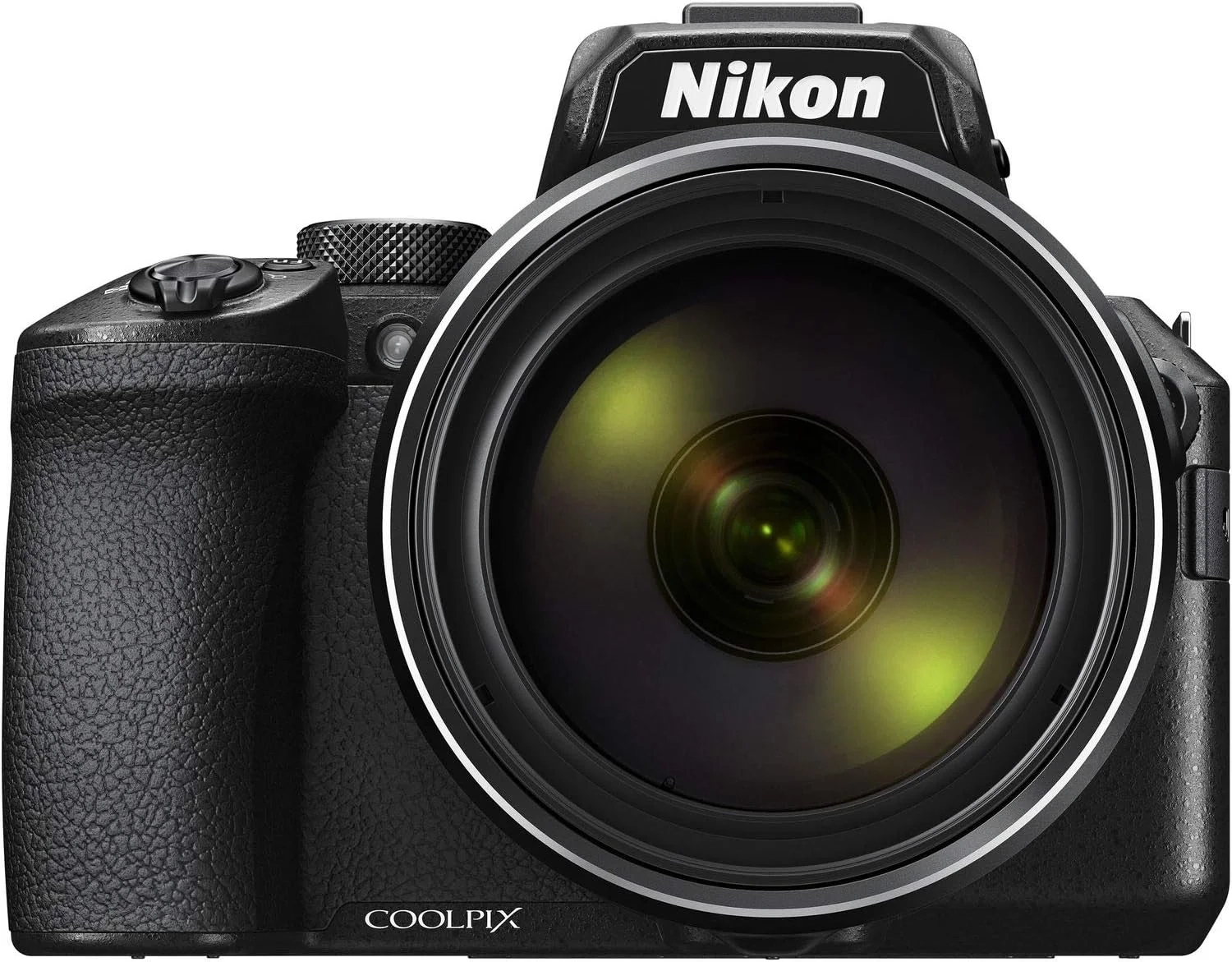
Nikon COOLPIX P950: 83x Zoom & 4K Guide
The Nikon COOLPIX P950 is renowned for its exceptional 83x optical zoom, making it a premier choice for super-telephoto photography. This article explores its ability to capture sharp, distant subjects, from wildlife to aircraft, detailing key features like Dual Detect Optical VR and 4K UHD video.
About This Topic
This guide provides detailed information and practical advice about the Nikon COOLPIX P950, a high-performance superzoom bridge camera. It is designed to explain the camera’s unique capabilities, particularly its extraordinary 83x optical zoom lens, and to clarify the type of photographer it best serves. Our goal is to offer authoritative insights to help you determine if this model aligns with your photography goals.
Who This Camera Is For
The Nikon COOLPIX P950 is an ideal tool for enthusiasts and hobbyists who prioritize extreme focal length versatility in a single, fixed-lens camera body. It is exceptionally beneficial for:
- Wildlife and Birding Enthusiasts seeking detailed shots of distant subjects without the cost and bulk of super-telephoto DSLR or mirrorless lenses.
- Astronomy and Moon Photography Beginners looking for an accessible entry point to capture clear lunar images.
- Travel Photographers who want an all-in-one travel camera solution to cover everything from wide-angle landscapes to far-away details without changing lenses.
- Videographers Needing 4K on a Budget who appreciate the ability to record ultra-high-definition video with powerful optical zoom for dynamic footage.
Core Capabilities Explained
The P950 distinguishes itself with several key features:
- Unmatched Zoom Range: Its 83x optical zoom (24-2000mm equivalent) is its defining trait, allowing you to photograph subjects incredibly far away. The 166x Dynamic Fine Zoom uses intelligent processing to extend reach further while aiming to preserve detail.
- Specialized Shooting Modes: Built-in Bird Mode and Moon Mode automatically optimize settings for these challenging subjects, simplifying the process for capturing birds in flight or the detailed craters of the moon.
- High-Resolution Imaging: With a 16-megapixel sensor, it captures still images with sufficient detail for large prints and crops. It also records smooth 4K UHD (2160p) video, making it a hybrid device for both photographers and videographers.
Addressing Common Questions and Concerns
- “Is the image quality as good as a DSLR?” While its small sensor cannot match the low-light performance or shallow depth-of-field of larger-sensor cameras, its strength lies in unprecedented zoom versatility in a portable package. Image quality is excellent for its class, especially in good light.
- “Is it too complex for a beginner?” Despite its advanced specs, it includes auto modes and scene selections for simple point-and-shoot operation. The learning curve is manageable for those new to photography, while manual controls offer room to grow.
- “What’s the difference between optical and digital zoom?” The 83x optical zoom uses the lens’s physical optics to magnify the image without degrading quality. The enhanced digital zoom (Dynamic Fine Zoom) crops and processes the image digitally, which can result in some quality loss at its maximum extents. For best results, relying on the optical zoom range is recommended.