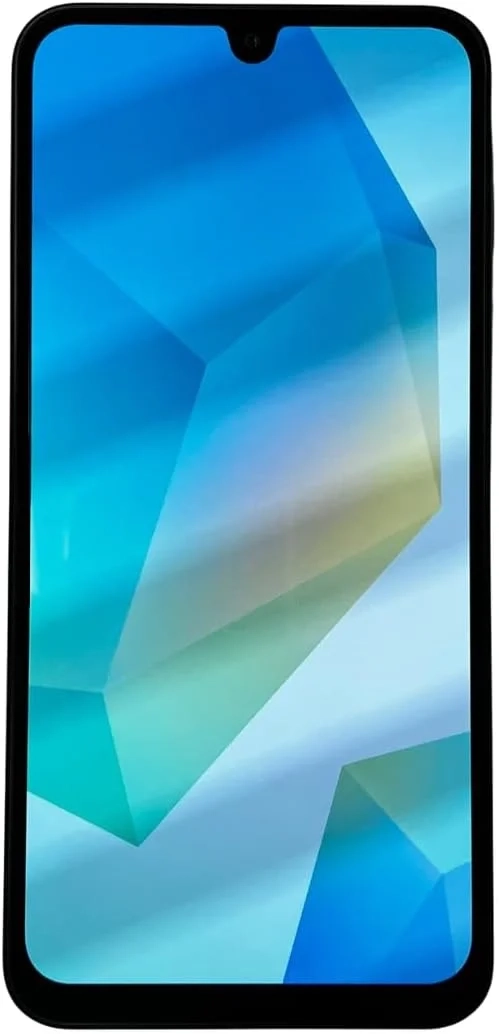
Samsung Galaxy A16 5G 2025 Review: Specs, Camera, and Price
Many users look for an affordable 5G phone, and the Samsung Galaxy A16 5G is a strong contender. This article explains the device’s key features, like its Super AMOLED display and multi-lens camera system, and details its specific carrier compatibility for potential buyers in the US market.
Introduction
Understanding your phone’s network compatibility is crucial for a seamless mobile experience. For anyone considering an international smartphone model, the list of supported 5G bands and 4G LTE bands is the key to unlocking fast, reliable service. This article decodes what these specifications mean for your daily connectivity, especially on major U.S. networks.
Choosing a phone with the right bands ensures you get the coverage and speeds you pay for. We’ll break down the technical jargon into practical advice you can use before making a purchase.
5G and 4G Band Problems and Solutions
A common problem is buying a phone only to discover it has weak signal or no 5G on your carrier. This often happens because the device lacks the specific frequency bands your network uses. Another issue is assuming “unlocked” means full compatibility with every carrier, which isn’t always true.
Users may also face dropped calls or slow data in certain areas if their phone doesn’t support key bands for network coverage. This guide helps you avoid these frustrating connectivity gaps.
Step-by-Step Solutions
To ensure your phone works perfectly, follow these steps:
- Identify Your Carrier’s Essential Bands. For U.S. use, key bands include 5G n41 for T-Mobile, n77 for AT&T, and n2/n66 for Verizon. For 4G, bands 2, 4, 5, 12, 13, and 66 are critical.
- Match the Phone’s Specs. Compare the phone’s listed bands (like 5G bands 41, 77, 78 and 4G bands 2, 4, 5, 12, 66) against your carrier’s list. Overlap is good; missing key bands is a red flag.
- Confirm Activation Policy. As noted, some carriers like T-Mobile support new activations on international models, while others may not. Always check with your carrier before buying.
- Test with a SIM. If possible, use a friend’s active SIM card from your intended carrier to test call, text, and data functionality before committing.
Alternatives and Comparisons
The main alternative to an international model is a carrier-branded or U.S. retail model. U.S. models are guaranteed to have all necessary bands and full carrier support, including warranties and features like Wi-Fi calling. International models often offer better value or unique hardware but require careful band compatibility checks.
Another approach is using a network coverage map alongside the phone’s band list. This tells you if the bands the phone supports are actually deployed in your area.
Practical Use Cases
Imagine you’re a frequent traveler who wants one device for global use. An international model with a wide band list, like the one supporting bands 1, 3, 7, 8, and 20, is ideal for Europe and Asia. You can then pair it with a T-Mobile plan in the U.S., which supports new activations and shares some global bands.
For a homebody, ensuring strong indoor coverage is key. You’d prioritize a phone with 4G LTE Band 12 or 71 (for T-Mobile) or Band 13 (for Verizon), as these lower-frequency bands penetrate buildings better.
FAQs
What are 5G bands and why are they important?
5G bands are specific radio frequencies used to transmit 5G signals. Different carriers use different bands. If your phone doesn’t have the bands your carrier uses, you won’t access their 5G network, limiting your speed and coverage.
How does an international phone compare to a U.S. model for carrier compatibility?
U.S. models are optimized and certified for domestic networks, ensuring full compatibility. International models, while often unlocked, may lack critical bands or carrier software profiles, leading to potential issues with activation, VoLTE, or 5G access on some networks.
Is buying an international smartphone worth it for U.S. users?
It can be, if you prioritize value or specific hardware and are willing to research. It’s a great fit for users on T-Mobile or its MVNOs, as compatibility is highest. However, users on AT&T, Verizon, or certain MVNOs like Cricket should be cautious and verify support thoroughly.
Conclusion
Your phone’s connectivity hinges on its supported network bands. Always cross-reference the device’s 5G and 4G LTE band list with your carrier’s requirements. While international models offer compelling features, due diligence is required to ensure they work properly on your chosen network. For more insights on getting the most from your mobile devices, explore our Technology Blog and Mobile Phones categories.
About This Topic
This topic focuses on the critical technical specifications that determine a smartphone’s ability to connect to cellular networks: its supported 5G and 4G LTE frequency bands. It’s the foundational knowledge for ensuring a device will work properly with your mobile carrier, affecting everything from call reliability to maximum data speeds.
This information benefits anyone purchasing an unlocked phone, especially international models not originally designed for their local market. It is essential for travelers, tech enthusiasts seeking specific phone models, and budget-conscious shoppers considering phones from overseas retailers. Understanding band compatibility helps you avoid the common misconception that any “unlocked” phone will work perfectly on any network.
Key points include:
- Carriers use unique sets of frequency bands for their networks.
- A phone must support the primary bands your carrier uses in your area for optimal service.
- Compatibility goes beyond just “having the band”; it includes carrier certification for features like HD Voice and 5G standalone (SA) mode.
- Always verify carrier activation policies, as some may not support phones with non-U.S. IMEI numbers.