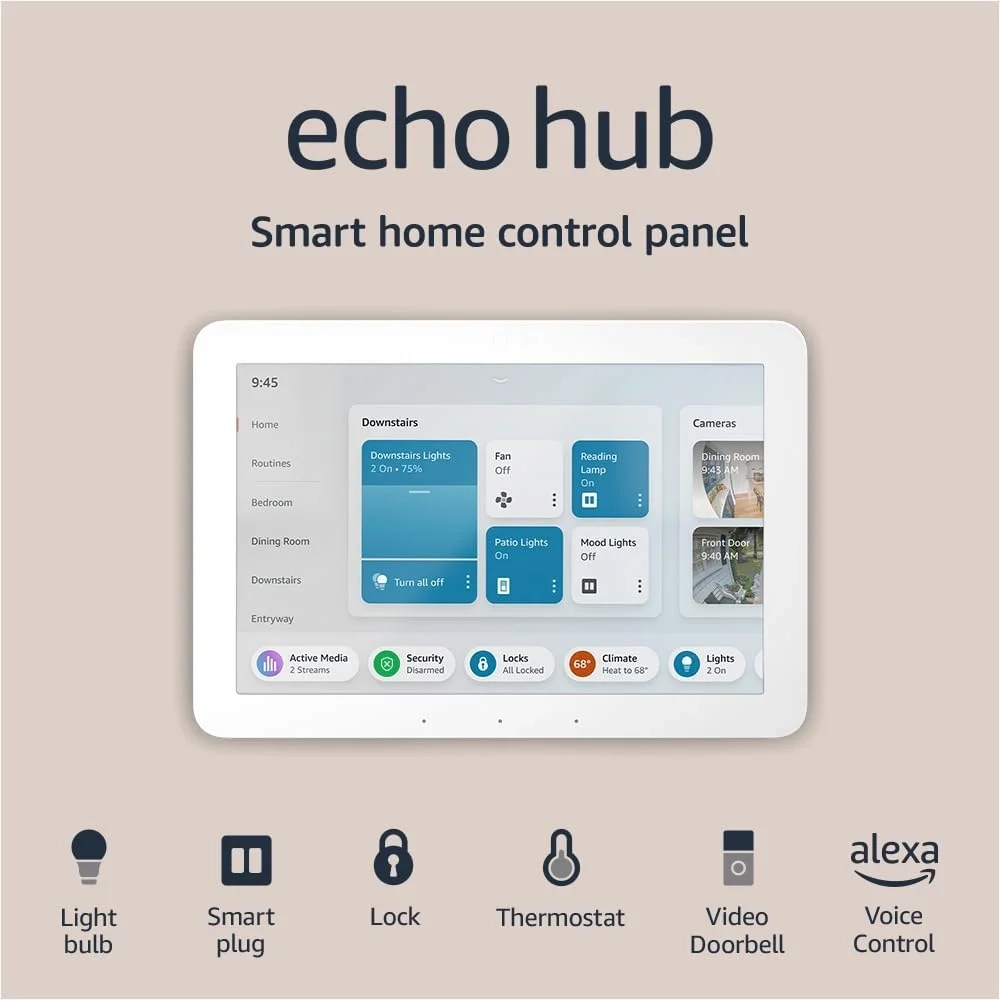
Amazon Echo Hub: Smart Home Control Panel Guide
Introduction
The modern smart home is filled with devices, from lights and locks to cameras and thermostats. Managing them all through your phone or scattered voice commands can feel disjointed. The Echo Hub addresses this by providing a centralized, wall-mounted control center for your entire ecosystem. This dedicated touchscreen panel, powered by Alexa, is designed to streamline how you interact with your connected devices, offering both voice and tap control from a single, convenient location.
Echo Hub Problems and Solutions
While the Echo Hub is a powerful tool, new users sometimes face initial setup hurdles or confusion about its full capabilities. A common question is whether it can replace existing smart home hubs or how to best organize the dashboard for daily use. Others wonder about installation complexity, especially for a clean, wire-free look on the wall. Understanding these points helps unlock the device’s true potential for creating a seamless smart home experience.
Step-by-Step Solutions
Getting the most from your Echo Hub is straightforward with a clear plan.
First, choose your installation location wisely near a power outlet. Use the included template for a clean wall mount. For a professional look, consider in-wall cable management kits or a Power-over-Ethernet adapter, sold separately.
Next, personalize your dashboard. Long-press on the home screen to add, remove, or rearrange widgets. Group controls by room or purpose, like “Morning Routine” or “Security.”
Finally, explore the built-in smart home hub. It seamlessly connects Zigbee, Matter, Thread, and Sidewalk devices directly without needing another bridge, simplifying your network.
Alternatives and Comparisons
The Echo Hub sits in a unique category. Compared to using only the Alexa app on your phone, it offers permanent, at-a-glance control without unlocking a device. Versus a standard Echo Show, it’s designed specifically as a control panel with a more comprehensive dashboard and wall-mount focus, not as a digital photo frame or video call device.
Other alternatives include dedicated brand-specific panels or advanced DIY solutions like tablet dashboards, but the Echo Hub excels in its native integration with the Alexa ecosystem and out-of-the-box simplicity.
Practical Use Cases
Imagine starting your day by tapping a “Good Morning” widget that turns on lights, shows the weather, and displays a live feed from your front door camera. When leaving, a single tap can arm your security system, lock doors, and lower the thermostat.
For family management, it’s perfect in a kitchen or hallway. Everyone can control music, see calendar events, or check if the garage door is closed without needing a personal phone. It effectively becomes the central nervous system for your connected home, relevant to both the Smart Home and Technology Blog categories for broader insights.
FAQs
What is the primary function of the Echo Hub?
The Echo Hub is a wall-mountable smart home control panel. Its primary function is to provide centralized, quick access to manage all your compatible smart devices—via touch or voice—from a single, dedicated screen in your home.
How does the Echo Hub compare to using a tablet?
While a tablet can run the Alexa app, the Echo Hub is optimized for always-on, glanceable control with a customized dashboard. It has a built-in smart home hub for direct device connections and is designed for permanent installation with cleaner cable management options.
Is the Echo Hub worth it for someone with just a few smart devices?
If you primarily use a couple of smart plugs or a single voice assistant, your phone may suffice. However, the Echo Hub becomes increasingly valuable as you add more devices, especially security cameras, locks, or lights, as it consolidates control and can reduce reliance on multiple apps.
Conclusion
The Echo Hub is designed to reduce complexity and provide effortless command over your smart home. By offering a blend of voice and tactile control from a centralized dashboard, it addresses the common pain point of managing a fragmented ecosystem. From simplifying daily routines to enhancing home security monitoring, it serves as a practical and powerful anchor for a more connected and convenient living space.