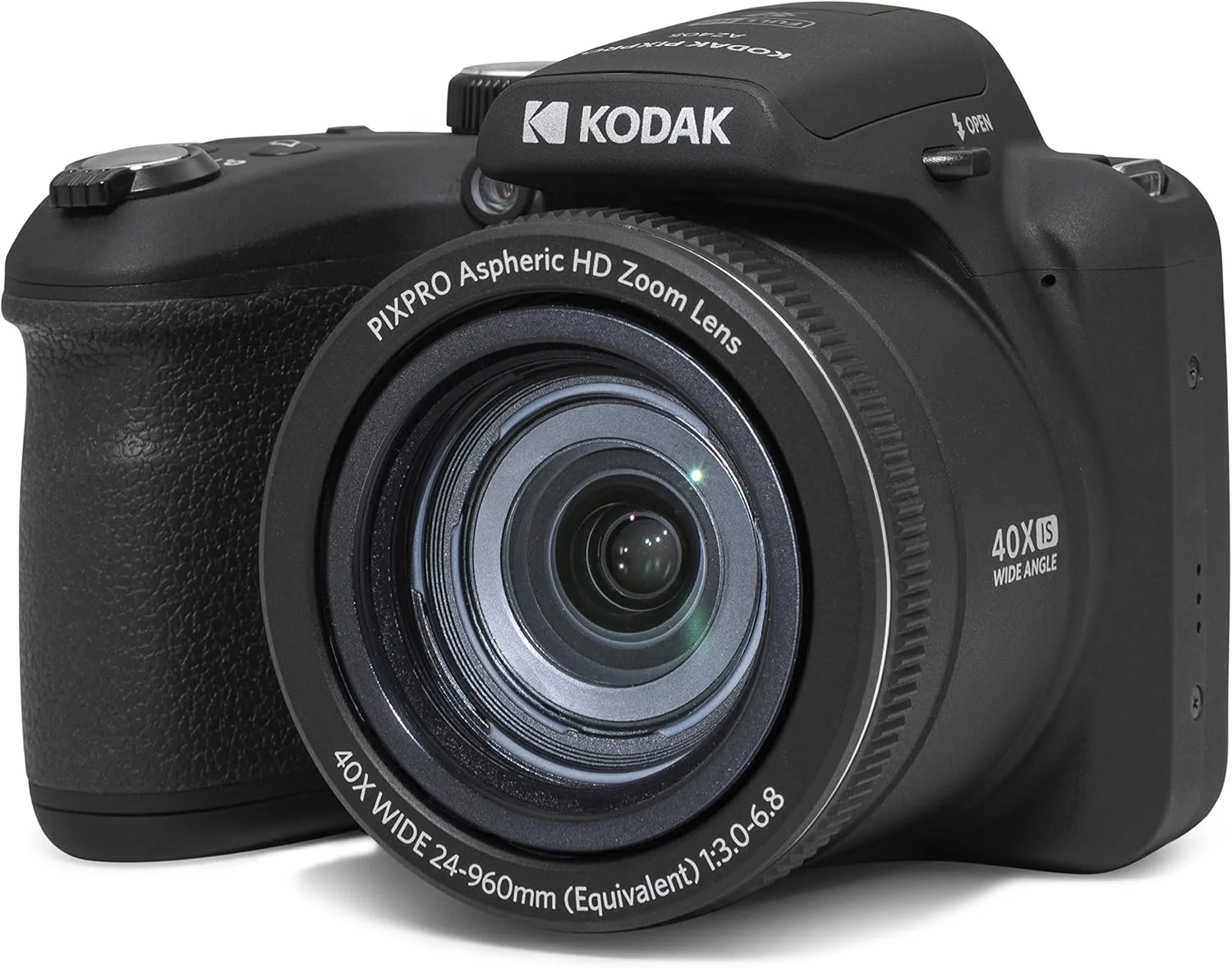
Kodak PIXPRO AZ405 40X Zoom Camera Guide
This guide explains the essential features and ideal uses for the KODAK PIXPRO AZ405 digital camera. Many users look for a versatile bridge camera, and this article covers its 40X zoom, image stabilization, and user-friendly settings for hobbyists. It’s designed to help new photographers understand if this model fits their creative needs.
Introduction
In the world of digital photography, finding a camera that offers both incredible reach and user-friendly features can be a challenge. The digital camera with 40x optical zoom stands out as a powerful tool for photographers who don’t want to compromise. This type of camera bridges the gap between basic point-and-shoots and complex DSLRs.
It combines a super-telephoto lens with a versatile wide-angle, making it perfect for everything from travel landscapes to distant wildlife. For anyone passionate about capturing life’s details, this camera category is a compelling choice. Let’s explore what makes it so unique and practical.
Digital Camera with 40x Optical Zoom Problems and Solutions
While powerful, a 40x zoom camera can present some user challenges. Common issues include camera shake at full zoom, managing large photo files from the 20MP sensor, and selecting the right SD card for smooth performance. New users might also find the array of settings overwhelming.
Another frequent question is about battery life, especially when using features like the 3″ LCD screen and optical image stabilization extensively. Understanding these potential hurdles is the first step to overcoming them and getting the most out of your gear. Proper technique and accessories make all the difference.
Step-by-Step Solutions
To get sharp, clear images with your high-zoom camera, follow these key steps:
- Stabilize Your Shot: Always use a tripod or steady surface when shooting at full 40x optical zoom. Combine this with the camera’s Optical Image Stabilization (OIS) for best results.
- Format Your SD Card: Before first use, format your Class 10 SD card in the camera. This ensures compatibility and prevents errors when recording 1080P Full HD video or bursts of photos.
- Master the Lens Range: Practice switching between the 24mm wide angle for group shots and landscapes, and the telephoto end for distant subjects. This flexibility is the camera’s core strength.
- Optimize Battery Life: Use high-quality rechargeable AA batteries and carry a spare set. Turn off the LCD screen when not composing shots to conserve power for longer sessions.
Alternatives and Comparisons
When considering a long zoom digital camera, it’s helpful to compare it to other options. Smartphones, while convenient, cannot match the optical zoom range or the larger 20MP CMOS sensor quality. Interchangeable-lens systems (DSLRs or mirrorless) offer superior image quality but are larger, more expensive, and require carrying multiple lenses to achieve a similar zoom range.
The 40x optical zoom camera is the ideal all-in-one solution. It provides tremendous versatility in a single, portable body. For hobbyists and travelers who want “one camera for everything” without the bulk, it is often the best value and most practical choice.
Practical Use Cases
This camera excels in real-world scenarios that demand versatility. A travel photographer can capture a vast canyon with the 24mm wide angle lens and then zoom in to photograph wildlife on a distant cliff face without moving. It’s a perfect vlogging camera for creators who need stable, high-definition 1080p video with the option for dynamic close-up shots.
For family events, you can shoot wide group portraits and then capture candid expressions from across the room discreetly. In the Cameras and Photos category, it is renowned as the ultimate do-it-all bridge camera for enthusiasts who are serious about their images but not ready for a bag full of specialized lenses.
FAQs
What is a 40x optical zoom?
A 40x optical zoom means the lens can magnify a distant subject 40 times closer than its widest view without sacrificing image quality, unlike digital zoom which simply crops the image. This allows for clear, detailed shots of far-away objects.
How does optical image stabilization work in this camera?
Optical Image Stabilization (OIS) uses a floating lens element that mechanically compensates for small hand movements. This technology is crucial for preventing blurry photos and shaky video, especially when using the full extent of the powerful zoom lens.
Is a 40x zoom camera worth it for beginners?
Absolutely. It offers an accessible way to learn photographic composition at different focal lengths without the complexity of interchangeable lenses. The automatic modes are beginner-friendly, while manual controls allow for growth. It’s a fantastic tool to develop skills in the Technology Blog realm of hobbyist photography.
Conclusion
A digital camera with 40x optical zoom and a 20 megapixel CMOS sensor is a remarkably capable tool for a wide range of photographers. It solves the problem of needing multiple pieces of equipment by packing exceptional zoom range and solid image quality into one body. By understanding its features, like SD card compatibility and optical image stabilization, you can reliably capture stunning, high-definition photos and videos in almost any situation.
About This Topic
A digital camera featuring a 40x optical zoom and a 24mm wide-angle lens represents a specific class of advanced point-and-shoot cameras, often called “bridge cameras.” These devices are defined by their all-in-one lens systems that offer an enormous focal range, from very wide to super-telephoto, in a single body. This topic covers the operation, benefits, and ideal use cases for these powerful imaging tools.
This type of camera benefits a broad audience. Travel enthusiasts and hobbyist photographers gain the most, as they can capture expansive landscapes and distant details without changing lenses. It’s also excellent for family documentarians, bird watchers, and even content creators looking for a capable vlogging camera with versatile shooting options. Beginners appreciate the auto modes and room to grow, while more experienced users value the manual controls and convenience.
A common misconception is that such a high zoom level always leads to blurry images. However, with proper technique and the built-in optical image stabilization, sharp shots are very achievable. Another concern is image quality compared to DSLRs; while sensor size differs, the modern 20-megapixel CMOS sensor in these cameras delivers excellent detail for prints and online sharing. When choosing a memory card, a fast Class 10 SD card is essential to handle the data from high-resolution photos and full HD video recording smoothly.
Key aspects of this topic include:
- Leveraging the full zoom range for creative composition.
- Ensuring stable shots using a tripod and OIS technology.
- Selecting the correct accessories, like high-speed SD cards and rechargeable batteries.
- Understanding the camera’s role as a versatile alternative to carrying multiple lenses.