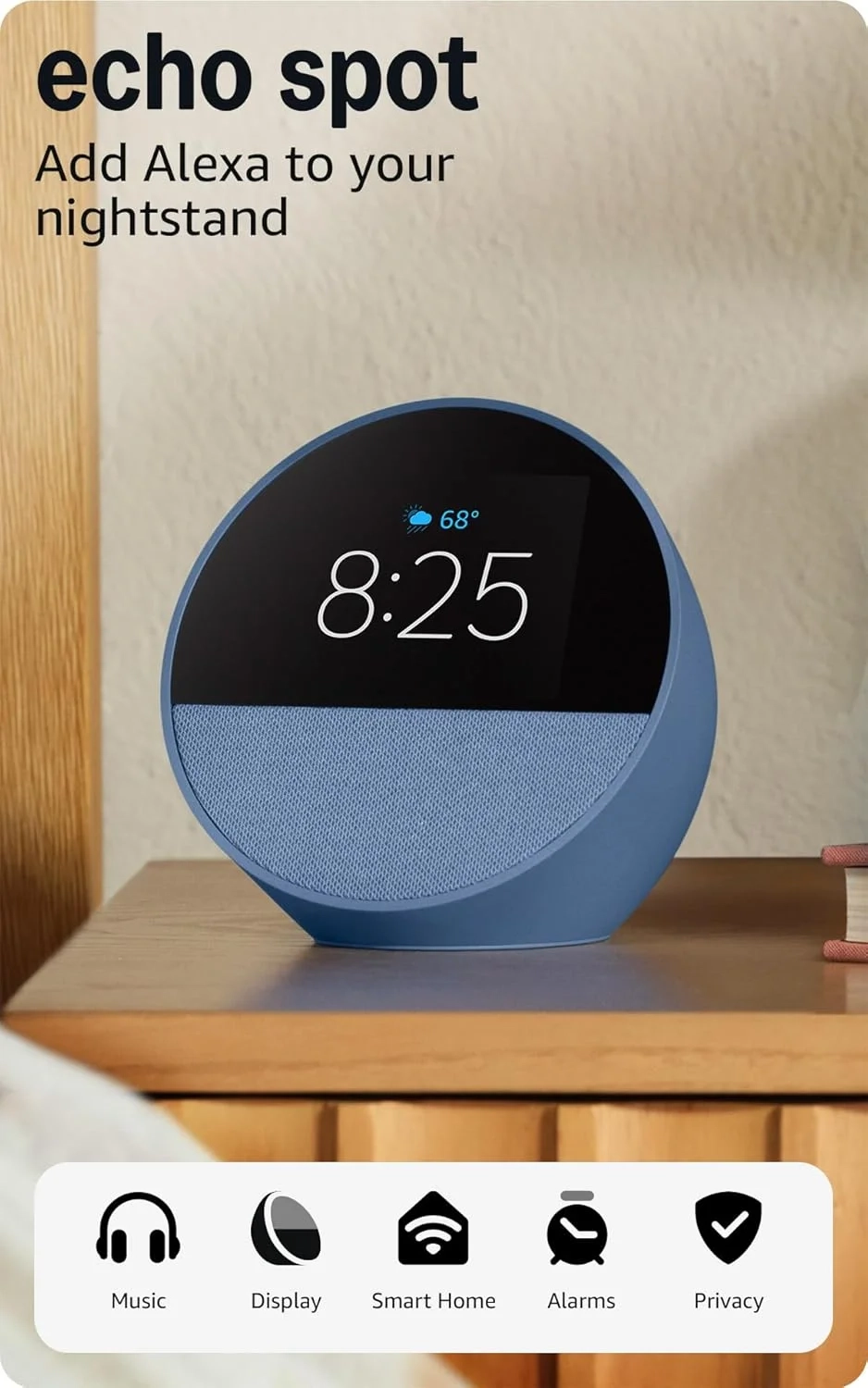
Amazon Echo Spot: Ultimate Smart Alarm Clock Guide
Introduction
The modern bedroom is evolving into a hub of convenience and comfort, and the smart alarm clock is at the center of this transformation. Devices like the Amazon Echo Spot are redefining how we start and end our days. More than just a timepiece, a smart alarm clock integrates voice assistance, entertainment, and home automation into a single, sleek device on your nightstand.
This seamless integration helps you manage your routine, control your environment, and enjoy media with simple voice commands or a touch. For anyone looking to upgrade their morning ritual or simplify their smart home ecosystem, this technology offers a compelling solution.
Smart Alarm Clock Problems and Solutions
While traditional alarm clocks serve one function, a smart alarm clock aims to do much more, which can lead to specific user concerns. Common questions include whether these devices are overly complex to set up, if they compromise privacy with always-on microphones, or if their additional features justify the cost over a basic clock.
Users also wonder about integration with existing smart home devices and whether the sound quality is sufficient for music playback. Addressing these concerns is key to understanding the value of a modern device like the Echo Spot.
Step-by-Step Solutions
Getting the most from your smart alarm clock involves a few simple steps:
- Personalize Your Display: Start by choosing a clock face that suits your style. Adjust the brightness and schedule a night mode to avoid disruptive light while sleeping.
- Master Your Morning Routine: Use the companion app to create a custom Alexa routine. Program it to gradually increase light, play your favorite news briefing, and provide a weather report to ease you into the day.
- Connect Your Smart Home: Link compatible devices in the Smart Home category. You can then say, “Alexa, turn off the bedroom lights,” or create automated routines that trigger when you say “goodnight.”
- Optimize for Privacy: Familiarize yourself with the privacy controls. Use the physical microphone off button when desired and review your voice history in the app to manage your data.
Alternatives and Comparisons
The Echo Spot sits in a competitive field. Compared to a standard smart speaker, it adds the crucial visual element of a screen for at-a-glance information. Versus a basic digital alarm clock, it offers vastly more functionality but requires a power outlet and Wi-Fi connection.
Other alternatives include dedicated smart displays with larger screens for video calls or tablets repurposed as clocks. However, dedicated devices like the Echo Spot are often optimized for bedside use with features like gradual wake-up lighting and a compact, focused design.
Practical Use Cases
Imagine waking up not to a jarring buzzer, but to gentle light and your favorite playlist. You can glance at the screen to see your first meeting time and the day’s forecast without reaching for your phone.
Throughout the day, it acts as a hands-free hub. You can set cooking timers, control smart lights, or stream a podcast while getting ready. At night, a “wind down” routine can play calming sounds, lock your smart door, and set the thermostat—all with a single command. This makes it a versatile tool in both the Smart Home and Wearable Technology ecosystems, acting as a stationary command center.
FAQs
What is a smart alarm clock?
A smart alarm clock is a connected device that tells time but also integrates a voice assistant (like Alexa), plays music, controls smart home gadgets, and provides information through sound and often a visual display. It transforms the simple wake-up function into an interactive experience.
How does a smart alarm clock compare to using a phone?
While phones can perform similar functions, a dedicated smart alarm clock is designed for bedside use with features like gradual wake-up lighting, always-visible time, and hands-free operation. It helps create a phone-free sleep environment by reducing the temptation to scroll before bed.
Is a smart alarm clock worth it for non-tech-savvy users?
Absolutely. Devices like the Echo Spot are designed for simplicity. Setup is guided through an app, and core functions like setting an alarm or asking for the weather require only your voice. The tangible benefits of a smoother routine and easy smart home control are accessible to everyone.
Conclusion
A modern smart alarm clock is far more than a tool to wake you up. It is a central piece of bedroom technology that streamlines your daily routine, entertains you, and puts home automation at your fingertips. By addressing common concerns and leveraging its step-by-step features, you can enhance both your mornings and your overall connected living experience.
About This Topic
A smart alarm clock is a multifunctional bedside device that combines the core utility of a timepiece with the advanced capabilities of a voice-activated digital assistant and a smart home controller. It serves as an accessible hub for information, entertainment, and automation directly from your nightstand.
This technology benefits a wide range of users. Busy professionals appreciate the streamlined morning routines and hands-free scheduling. Smart home enthusiasts value the centralized control for lights, thermostats, and other connected gadgets. Even casual users and families enjoy the convenience of setting timers, checking the weather, or playing music with simple voice commands.
Common misconceptions include concerns over complexity and privacy. In reality, setting up a device for basic alarm clock functions with Alexa is straightforward, and reputable devices are built with robust privacy controls like physical microphone shut-offs. Another concern is cost versus a basic clock; the value is found in the aggregation of multiple devices—a clock, a wireless speaker, and a smart home remote—into one unified product.
Key features that define these devices include customizable displays for time and weather, high-quality audio for music and podcasts, and seamless integration with other smart home products to create a truly responsive living environment.